PCOS (Polycystic Ovarian Syndrome) has a new name! You might have noticed more discussion around PMOS (Polycystic Metabolic Ovarian Syndrome) recently. PMOS is a newer medical term for PCOS that has gained widespread support. This clinical shift better reflects the reality that the condition is a systemic endocrine and metabolic issue, not just an ovarian one. You might still see both acronyms thrown about, but they are indeed referring to the same thing.
So without further ado, let’s dive in!
If you’ve spent more than five minutes online looking for advice on how to manage Polycystic Metabolic Ovarian Syndrome (PMOS/PCOS) and support your fertility, you’ve likely been handed a long, exhausting list of things you need to stop eating.
The wellness industry’s favorite recommendation for women’s health is almost always to remove and restrict. Cut out gluten. Cut out dairy. Cut out soy. Cut out carbs.
However, most registered dietitians in the women’s health space will be quick to tell you that this highly restrictive approach is not supported by science. And for many people trying to conceive, it can actually backfire.
Let's look at what high-quality, peer-reviewed clinical research actually says about managing PMOS.
TLDR
What is PMOS? PMOS (Polycystic Metabolic Ovarian Syndrome) is a newer medical term for PCOS (Polycystic Ovarian Syndrome).This clinical shift better reflects the reality that the condition impacts your whole metabolism and hormones, not just your ovaries.
Do I need to restrict foods for PMOS? There is no solid evidence supporting the blanket elimination of gluten, dairy, or carbohydrates for PMOS or fertility.
Restriction might actually backfire. Rigid food rules trigger chronic stress and elevate cortisol (your stress hormone), which can worsen insulin resistance and disrupt ovulation.
Add, don’t subtract. Protect egg quality and balance blood sugar by adding healthy fats, antioxidant-rich foods, and balanced meals and snacks.
Do I need to cut out gluten and dairy if I have PMOS (PCOS)?
Despite what social media influencers claim, there is no high-quality, peer-reviewed evidence justifying the blanket elimination of gluten or dairy for PMOS or fertility (unless you have celiac disease, an allergy, or a diagnosed food intolerance).
Here is what the research actually shows:
Gluten-Free Alternatives Can Worsen Insulin Resistance
Insulin resistance affects an estimated 65-70% of individuals with PMOS, which can drive up the production of androgens (male hormones) and disrupt regular ovulation.
Grains that contain gluten (such as barley, farro, and whole wheat) are rich in fiber which slows down how fast sugar (glucose) enters your bloodstream and improves insulin sensitivity.
On the other hand, many packaged gluten-free products are made of refined starches like white rice flour, potato starch, and tapioca starch. These refined starches have a higher glycemic index which, if not balanced appropriately, may trigger rapid blood sugar spikes that worsen insulin resistance and inflammation.
Dairy Can Support, Not Hurt, Ovulation
The idea that dairy is inflammatory and ruins fertility isn’t backed by large-scale research.
Research has shown that eating a lot of low-fat dairy foods was associated with an increased risk of ovulation-related infertility. On the other hand, eating full-fat dairy foods (like whole milk or full-fat Greek yogurt) was associated with a lower risk of ovulation-related infertility.
Dairy provides easy to absorb nutrients involved in healthy egg development and metabolic health. Not to mention that high-protein options like plain Greek yogurt serve as convenient snacks to keep your blood sugar steady throughout the day.
The Physical Toll of Restrictive Stress
When you force yourself into a hyper-restrictive dietary box, you aren't just missing out on enjoyable meals. You’re triggering a stress response in your body.
Chronic low-grade inflammation is a core feature of PMOS. Research shows that ongoing mental stress and rigid food rules significantly raise cortisol.
rigid food rules → anxiety & restraint → higher cortisol → worsened insulin resistance & ovulation issues
When your brain senses the stress of food deprivation or the anxiety of “breaking a rule”, your body releases cortisol. Keeping cortisol elevated over time:
Makes insulin resistance worse, making it harder for your cells to clear sugar from your bloodstream.
Disrupts the hormone signals between your brain and ovaries, which can delay or prevent ovulation.
Increases inflammation throughout the body, aggravating the exact symptoms you are trying to manage.
The Evidence-Based Alternative: Add, Don't Subtract
Instead of focusing on what to strip away, fertility nutrition focuses on what to add to your plate to protect egg quality, calm inflammation, and keep blood sugar steady.
Omega-3 Healthy Fats
Research consistently shows that omega-3 fats (specifically EPA and DHA) help calm inflammation in the body. Furthermore, omega-3s have also been shown to help lower elevated androgen levels, improve insulin resistance, and support healthy egg development.
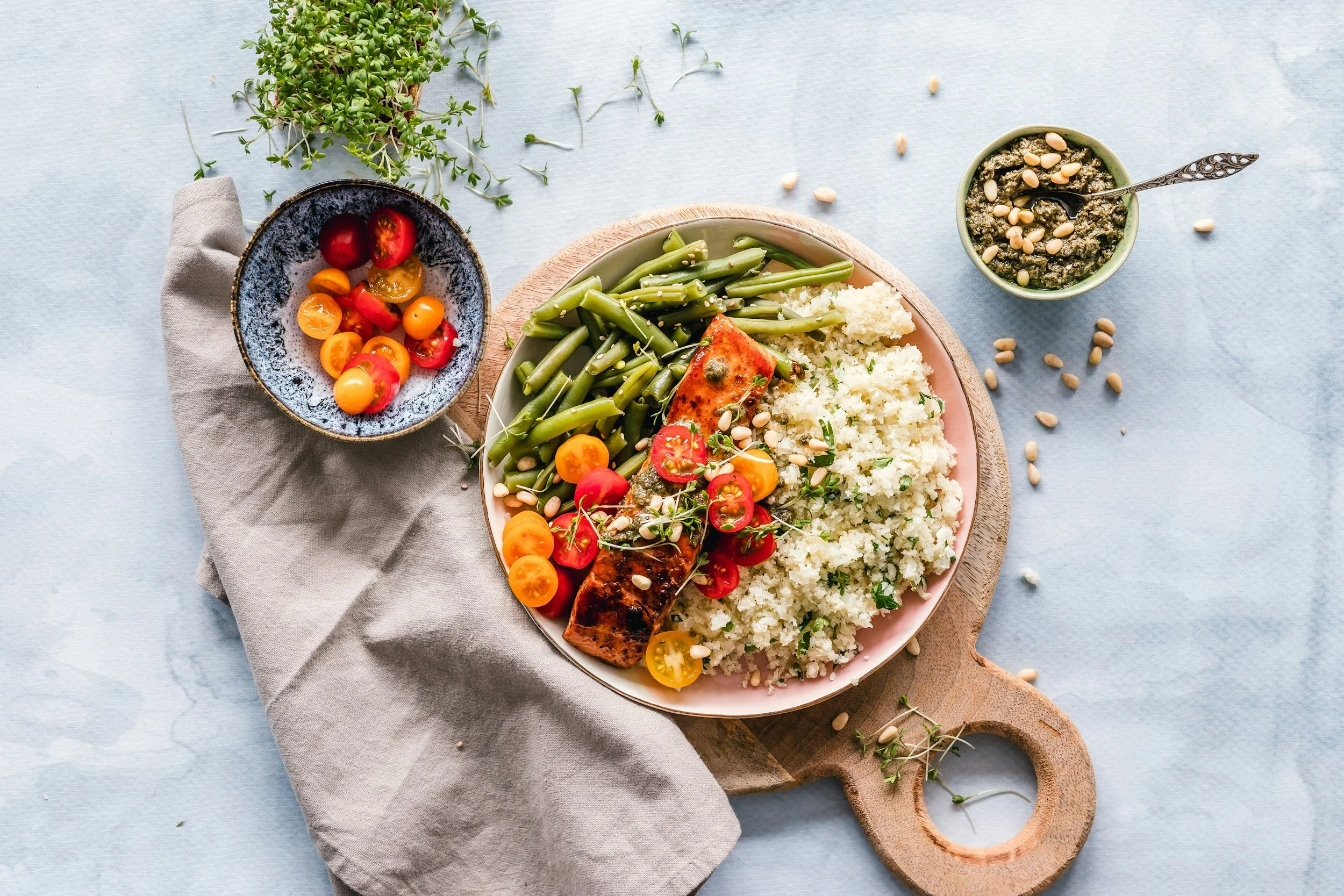
The Quick Add: Keep canned wild salmon or sardines in your pantry for easy lunches, or stir ground flaxseeds and chia seeds into your morning oatmeal.
Antioxidant-Rich Foods
Developing eggs are very sensitive to everyday cellular stress (also known as oxidative stress), which can affect egg quality. Antioxidants can protect your cells from oxidative stress.
The Quick Add: Keep a bag of frozen blueberries in your freezer. Frozen produce is picked and frozen at peak ripeness, locking in high levels of protective antioxidants with zero prep work required.
Smart Blood Sugar Pairing
You don’t need to eliminate carbohydrates to manage insulin resistance. Instead, change how your body processes them by pairing your carbs. When you eat a carbohydrate alongside protein, fat, and fiber, it slows down digestion and prevents a sharp blood sugar spike.
The Quick Add: If you’re having an apple, pair it with a handful of walnuts or a bit of nut butter. If you’re having toast, top it with mashed avocado and a hard-boiled egg.
A Gentle Reminder
True nourishment includes peace of mind, ease, and enjoyment of food. If a diet makes you feel anxious, isolated, or physically exhausted, it is not supporting your reproductive or metabolic health.
Working with a Registered Dietitian gives you access to evidence-based science paired with real-world, sustainable strategies that respect your health goals and your love of good food. You have full permission to drop the scientifically unfounded rules and focus on consistent, stress-free nourishment.
Frequently Asked Questions (FAQs)
-
PMOS stands for Polycystic Metabolic Ovarian Syndrome. It is a newer medical term supported by reproductive endocrinologists and fertility specialists to better reflect how the condition affects your whole metabolism and hormone system.
-
No. Carbohydrates are an essential energy source for your body and brain. Rather than cutting out carbs, focus on choosing fiber-rich whole grains and pairing them with protein and healthy fats to keep your blood sugar steady.
-
Unless you have celiac disease, a wheat allergy, or a diagnosed gluten sensitivity, there is no solid evidence that cutting out gluten improves PMOS or fertility. In fact, whole grains that contain gluten (like barley, farro, and whole wheat) are rich in fiber that helps keep blood sugar steady, whereas many packaged gluten-free swaps rely on refined starches that can spike blood sugar.
-
Whole soy foods (like edamame, tofu, and tempeh) do not need to be avoided. Despite common myths about plant estrogens, clinical research shows that moderate amounts of whole soy foods do not negatively impact fertility or worsen hormone imbalances. Some research even shows that soy can improve insulin sensitivity and decrease androgen levels. Soy foods can be a great source of plant-based protein and fiber to support blood sugar balance.
-
There is no high-quality evidence showing that dairy causes fertility issues or inflammation for everyone. In fact, large studies indicate that full-fat dairy foods (like whole milk and full-fat Greek yogurt) are actually linked to a lower risk of ovulation-related infertility.
-
Yes. Rigid food rules and the anxiety around "eating perfectly" trigger your body's stress response, raising cortisol levels. Over time, elevated cortisol can worsen insulin resistance, increase inflammation, and disrupt the hormone signals needed for regular ovulation.
-
Focus on adding foods rich in Omega-3 fatty acids (salmon, sardines, chia seeds, flaxseeds), deep-colored antioxidant-rich fruits and vegetables (such as frozen blueberries), and high-fiber carbohydrates paired with quality protein.
-
Supplements should be individualized to your specific needs and based on your typical diet. Working with a Registered Dietitian is the best way to learn what targeted supplements are right for you. Broadly, supplements including inositol, omega-3s, and coenzyme Q10 have shown a positive impact on the combined management of PMOS and/or fertility.
Interested to learn more? Check out these related posts!






*The information on this website is provided for educational purposes only and should not be treated as medical advice. Cultivated Nutrition, PLLC makes no guarantees regarding the information provided or how products and foods may work for any individual. If you suffer from a health condition, you should consult your health care practitioner for medical advice before introducing any new products or foods into your health care regimen. Always speak to a qualified practitioner before making any changes to your diet or nutrition. For more information, please read our terms and conditions.

There are many lifestyle factors that can have an impact on male fertility - check out the top factors that could be affecting your chances to conceive!